CLASSIC CLUBS: Eclipse
Lower Ford Street, Coventry
A former bingo hall in a midlands ghost town, Coventry’s Eclipse was a crucible of hardcore, a temple of rave, and a vital node in the evolution of jungle and drum and bass. While the London-based music press was ignoring or ridiculing the darker and faster offshoots of house, DJs here were rewiring British music. Toby Hemming tells its tale.
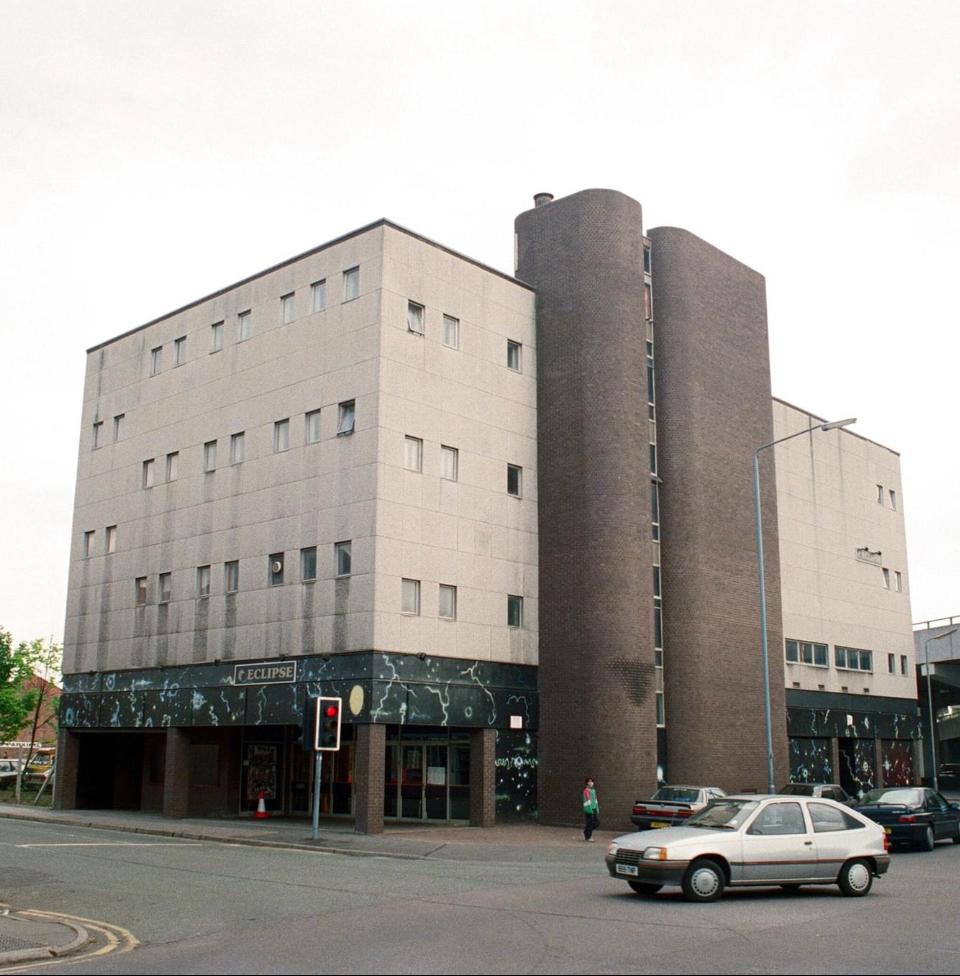
To the uninitiated, the Eclipse was nothing to look at, a former Granada Bingo Hall on Lower Ford Street in the British Midlands city of Coventry, a place The Specials had immortalised as a post-industrial wasteland in Ghost Town. Nothing about the building suggested they were wrong. From the outside it was exactly what it had always been, a squat, unglamorous remnant of a Britain that had largely stopped working, in a part of town that regeneration money had ignored. To the people filing through its doors from across the country in the early 1990s, it was everything.
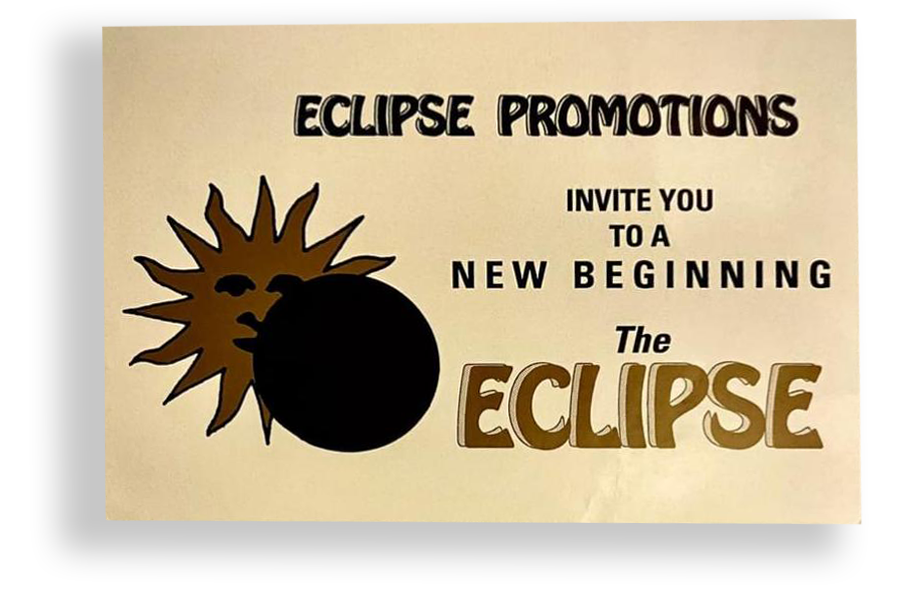
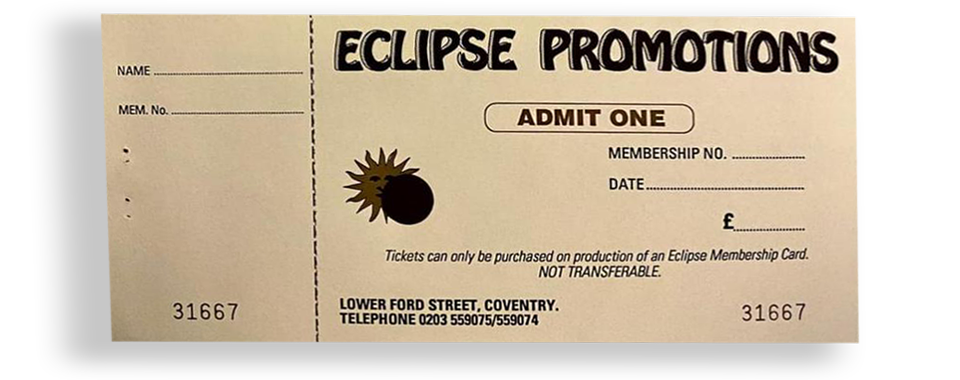
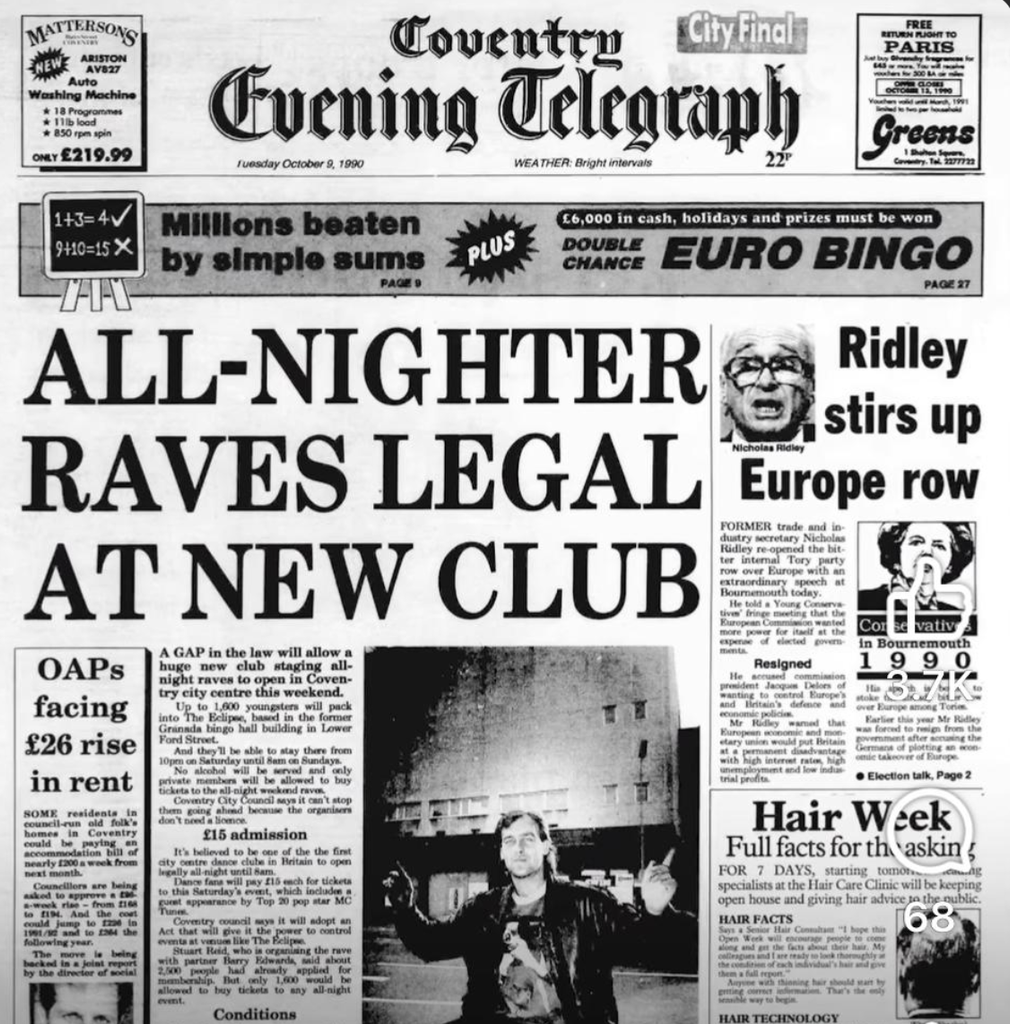
Opening in late 1990, the Eclipse was the brainchild of two local businessmen of a certain notoriety, Stuart Reid and Barry Edwards, already well versed in the kind of contacts needed to keep a successful rave organisation afloat. The opening night lineup tells you what kind of operation it was: Evil Eddie Richards, Fabio, Sasha and MC Tunes, who complained about the sound system and walked off.
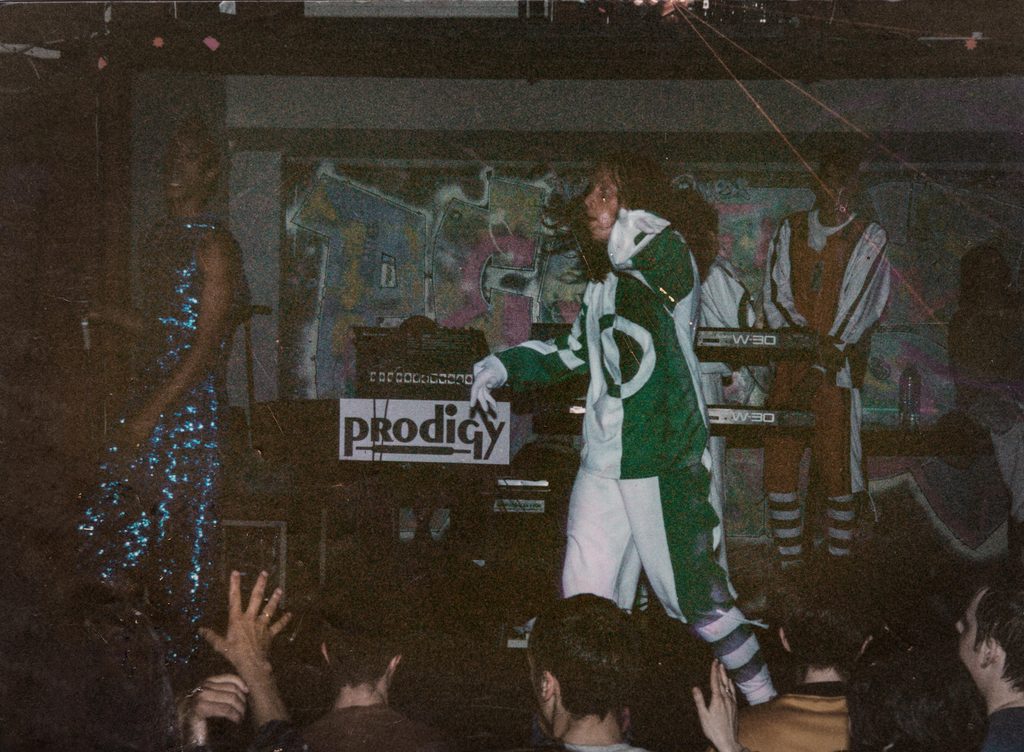
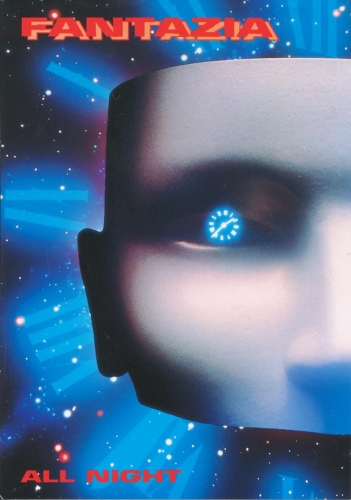
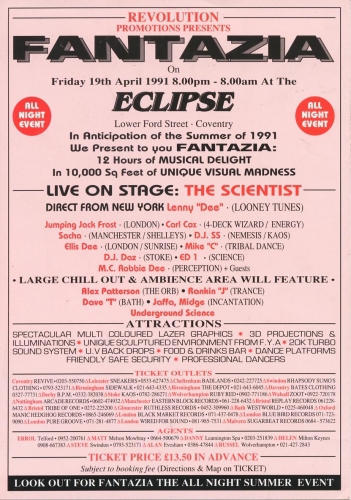
The Prodigy played one of their earliest ever live sets there for a fee of £60. Fantazia, the rave organisation that would go on to become one of the defining promoters of the early 1990s, staged their first major event at the Eclipse. Nobody in the room on any of those nights would have thought to describe what they were witnessing as historically significant. They were just having the time of their lives.
“I turned eighteen in 1991,” remembers Dan, who travelled up from Bristol. “Acid house and its reverberations had been part of my life for years, but to be honest I was too young for the first wave, so the Eclipse and the circuit of clubs and raves that surrounded it became our thing.” He and his crew had come up on Public Enemy, Bomb the Bass and Phuture, and had no interest in the “shiny shoes and cheesy vocal shit” the rest of the club scene was drifting towards. “I first went up to Coventry for the opening night of Fantazia and was totally blown away,” he says. “I’d been to the tail end of the first wave of outdoor pay parties in 1990, but the pure energy when you walked through the door of the Eclipse was something else.”
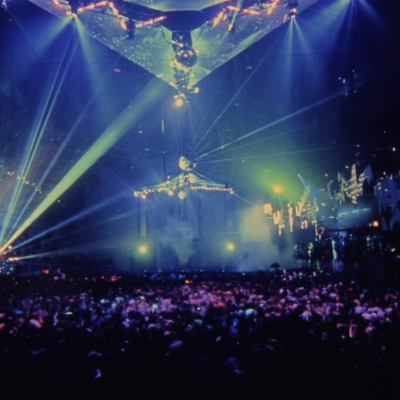
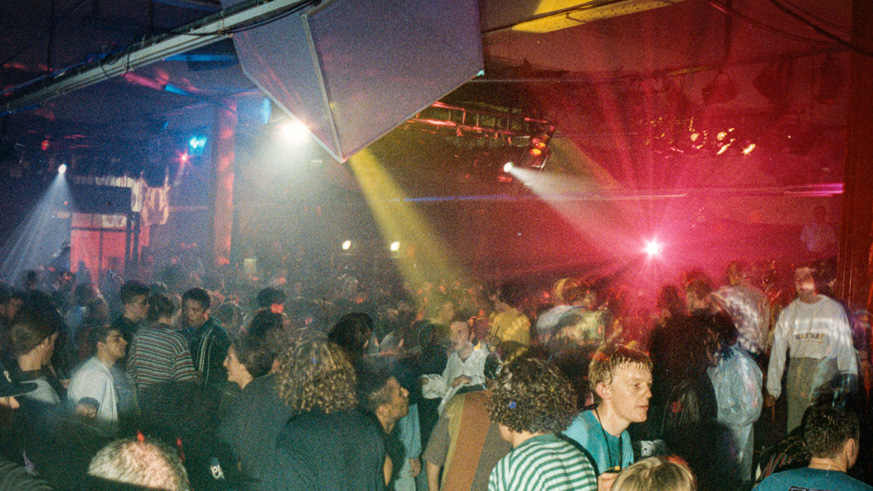
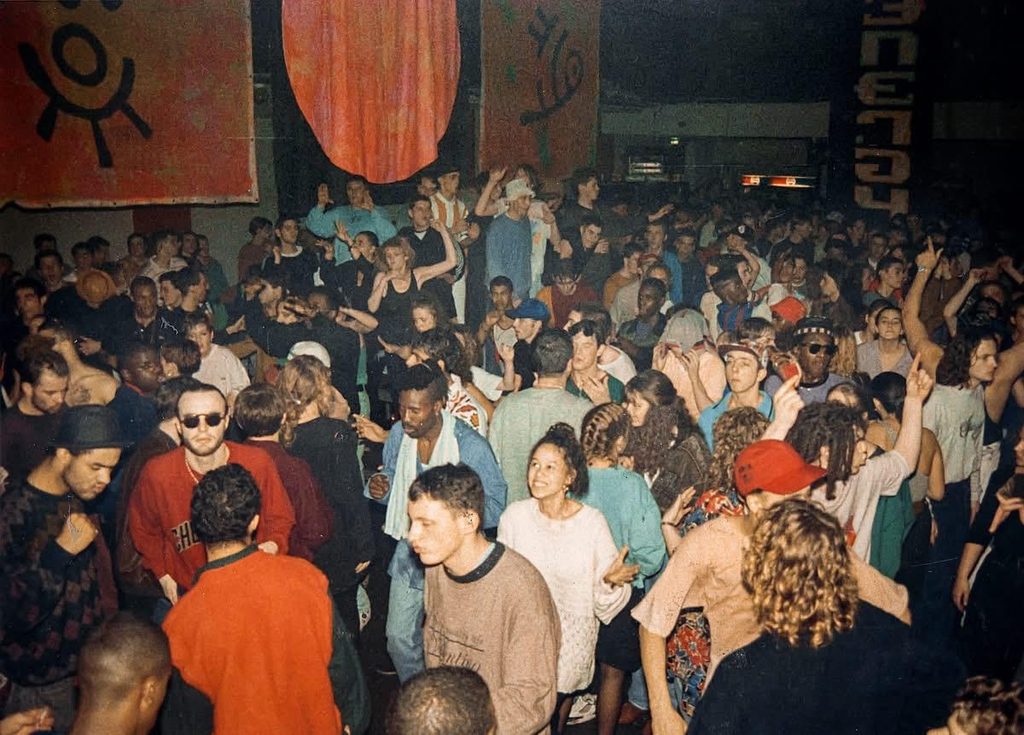
The club was not unique in being shabby and functional, but it was refreshing, because the space inside those four walls was almost completely devoid of pretension. A wonderland of sticky carpets, sweating walls, toilets that rewarded low expectations. What it had was a sound system that hit you in the sternum the moment you walked through the door, turning the whole building into a resonating chamber of bass. Lasers cut through smoke machine fog while strobes froze the crowd into a thousand arms in the air. A chill-out room, a makeshift and potentially unnecessary canteen serving chips and burgers under strip lighting, a balcony looking down over sixteen hundred people in various states of rapture completed the picture.
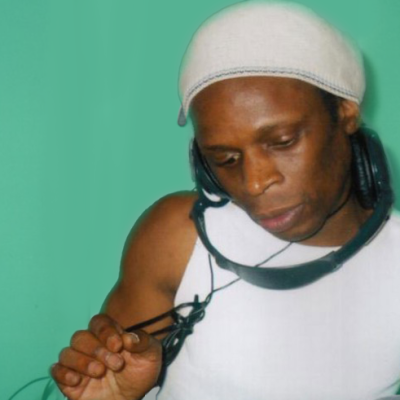
The guests got the billing, but residents Parks & Wilson held the room down week after week, gauging the crowd whilst expertly playing across the board, an experience that pushed them into eventually making their own records as Tilt, who would go on to sign to Perfecto and Deconstruction. Behind them sat a bench of Coventry DJs and MCs whose names never travelled much beyond the ring road, but defined a sound and scene as much as any big name jocks: Carl Williams, Shock C, Hi-Fi, Man Parris, DJ Dobbo. Plus notably DJ Tango, who sadly passed away in 2018 and whose records did more to shape what came next than most of the headliners managed.
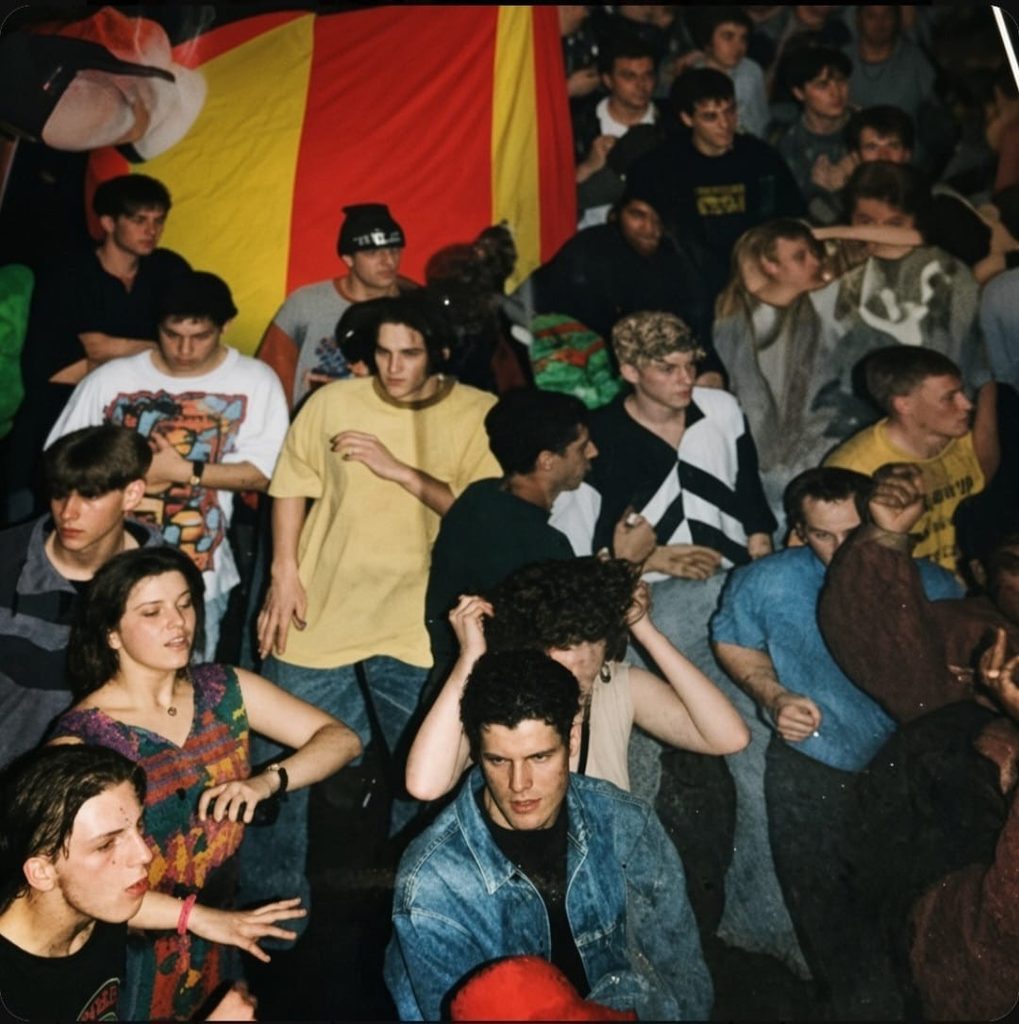
None of it was aspirational. Nobody went to the Eclipse to be seen or to participate in something that would look good when written about later. The absence of glamour meant the music was the only thing in the room, which is rarer than it sounds and more valuable than it looks.The accepted history of British rave runs from London to Manchester and back again, with the Midlands filed as somewhere the coaches passed through on the way to somewhere better. As that version sets in stone, it is worth noting that vital scenes were evolving away from the tastemaker spotlight of the established media, and in many cases were better off for it.
A night out at the Eclipse was not cheap by the standards of the people going. Pills were fifteen to twenty pounds each at a time when many in the crowd were on sixth-form allowances, entry-level jobs or on the dole. A couple of doves and a wrap of speed represented a serious financial commitment, not a casual indulgence. That investment shaped the night: nobody was there to stand around. The money had been spent, the journey had been made, and the only thing left to do was dance.
What the dance floor looked like was the logical result of all of this. Eyes wide, arms in the air, entirely unselfconscious, entirely present. These were not people performing, or having a good time for the benefit of anyone watching. There was nobody watching, which was precisely the point, and exactly what made it extraordinary.
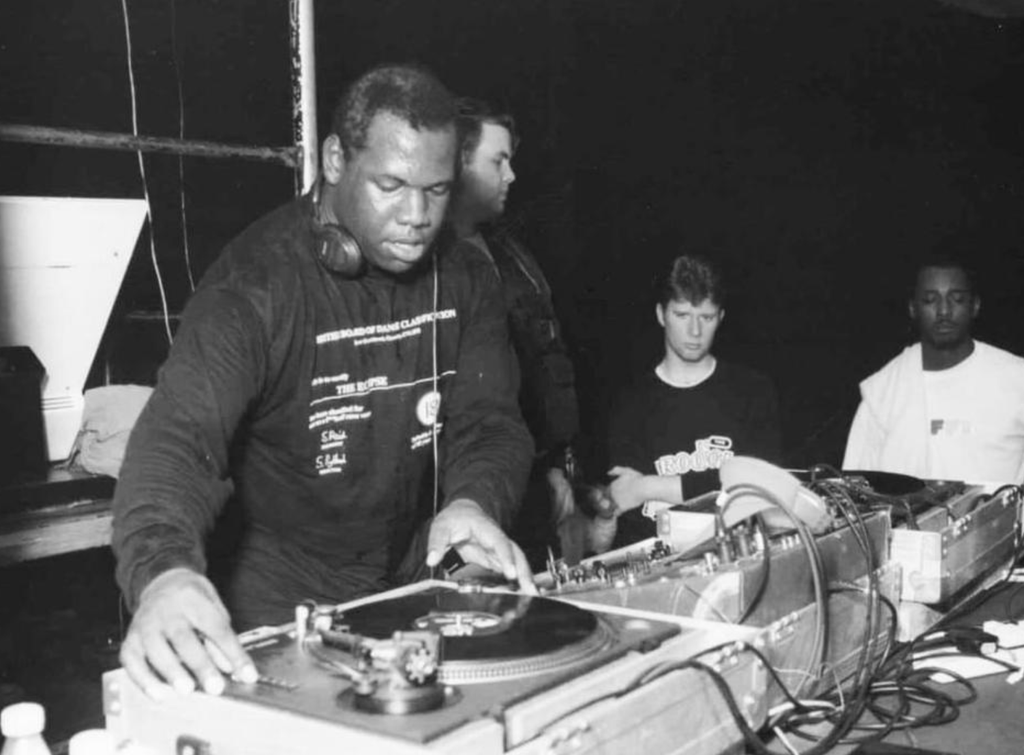
In those early years the mix was gloriously open. Carl Cox, Sasha and Lenny Dee played Belgian nu-beat inspired techno alongside Amen-driven UK breakbeat, Italian piano house and Chicago deep cuts. Not because they were trying to be clever but because that was what fuelled a room full of people who had taken something and wanted to dance. No manifesto, no tastemaker agenda, no one watching to see whether the selections were credible. Just a promiscuous relationship with whatever worked on the floor, and out of that freedom came something genuinely unexpected.
Later the harder styles demanded by the dancefloor became the norm. Unfortunately forgotten names like Bristol veteran Easygroove and London-based trio Top Buzz showcased dazzling technical skills that would have them lauded elsewhere, deftly mixing proto-breakbeat, european techno and Italo piano house into one energetic kick drum-led journey.
The Eclipse was not alone in setting this new scene. The clubs that followed it, and the ones running alongside it, made a circuit. Amnesia House, a Coventry promotions outfit, took over Saturdays at Shelley’s Laserdome in Stoke in February 1991 and opened with Grooverider, Stu Allan and Doc Scott plus a live PA from N-Joi, to a queue a thousand deep and local news cameras outside.
When the Haçienda closed in early 1991 after the well documented gangland shootings, a good part of the younger, more rave-focused Manchester crowd came south. Ravers coming out of Shelley’s at dawn would pull into Sandbach Services on the M6 and carry on in the car park. Coventry, Stoke, Gloucester, Nottingham and Milton Keynes were joined by motorways, record shops and third generation cassettes, with the Eclipse sitting at the centre of the chaos.
Amongst all this something in the music was shifting. The Amen break, that six-second drum pattern lifted from The Winstons’ 1969 B-side Amen, Brother, started to assert itself as the engine of choice, its rattling snare and lurching rhythm cutting through everything else as the nights got longer. Producers began to understand what it could do when you chopped it, reversed it, layered it against itself, pitched it up until it barely resembled the source. Tempos climbed. The bass dropped lower and heavier, the kind of sub-frequencies you felt in your chest rather than heard.
What initially emerged had a name: hardcore. A uniquely British offshoot of rave that crushed electro, reggae, hip-hop, bleep and techno together at speed, pressing whole lineages of street culture into cheap twelve-inches assembled on an Akai sampler by kids with more imagination than formal training. Music that could only have developed the way it did because nobody respectable was paying attention. Just the room, the crowd and the next record.
By the winter of ’92 the music had evolved again into something darker, the sound which was dubbed darkside, had Coventry’s fingerprints all over it, and the Eclipse had rebranded to ‘The Edge’. Tango and Ratty, both fixtures at the club, made some of the scene’s most evolved proto-jungle breakbeat workouts. DJ Fallout, who came to the music through Amnesia House in her home city of Coventry and worked at Fibre Optic Records, co-produced with Tango across 1993 and 1994 on records that helped define the style, before releasing her own material on Rough Tone. A woman helping to build the foundations of drum and bass in a Coventry record shop is not a detail that has made it into many histories.
For Wayne, who regularly made the trip over from Leicester, that sense of ownership was the whole point. “The thing about the hardcore scene, the Eclipse and the clubs that followed it, was that this was ours,” he says. “It’s not that we didn’t care about the rest of the scene in some sort of shitty punk rock kind of way, we genuinely didn’t. We were underground, and the record labels, fashions and parties put on by suburban kids with nothing to lose spoke our language.” He laughs. “Oh, the music was fucking banging as well.”

At the Edge the crowds became smaller and more concentrated, people who had followed the music somewhere most of their peers had decided was too much, too fast, too far. They did not care, which is why it worked. Unloved outside the scene, the music moved the hard way, dubbed cassette to cassette and carried up tower block stairwells to pirate rigs. It mutated with every copy, getting faster and heavier out of the spotlight, passed between people who had to want it
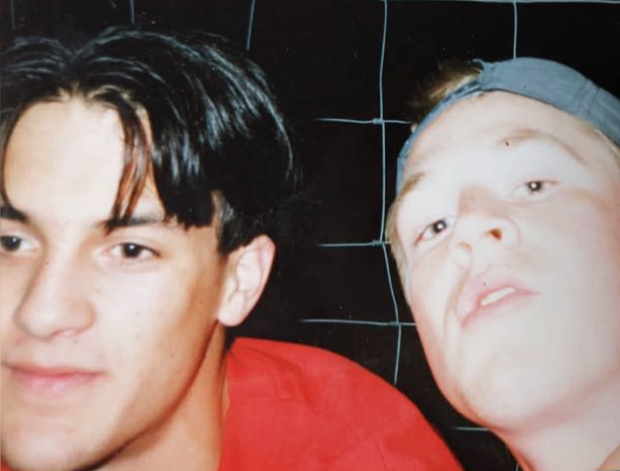
The club finally closed in September 1993, and Stuart Reid would later spend a decade as a Category A prisoner in some of Britain’s most secure jails for, among other offences, his involvement in springing one of the country’s most notorious drug dealers from jail. The building was initially purchased by Coventry University, converted briefly into a student union venue, before being eventually demolished. It is now a car park.
The music however kept on playing. Living on the pirates, on tapepacks flogged at record shops and passed around bedrooms, playing out of car stereos on the way to somewhere else. What came back was faster and stranger: the breaks chopped past the point of recognition, the sub bass borrowed wholesale from reggae sound systems, the four four pulses gone completely. By the end of that year it had a name. Jungle was not a departure from what had happened at the Eclipse and The Edge and other places like them. It was the same music with a few more years of mutation behind it, made largely by the same people, in the same bedrooms, for a crowd that had never left
The Eclipse, and venues like it in long forgotten warehouses, suburban nightclubs and provincial theatres, lost their place in a narrative written by progressive house tastemakers and a London-centric reverence for the so-called Balearic network. It is a strange kind of amnesia, because much of the globe-trotting DJ establishment that followed was built on exactly these floors. As well as regularly headlining the Eclipse, both Sasha and Carl Cox made their names through the same rave circuit, and yet those foundations barely register in the official version of how any of it happened.
What it left behind is not in any doubt. Without hardcore there is no jungle. Without jungle there is no drum and bass, no UK garage, no grime, no dubstep. The entire lineage of distinctively British electronic music runs directly through what was being built on that sticky dancefloor, and those like it, between 1990 and 1993.
The Amen break is one of the most sampled pieces of music in history. The production techniques pioneered on cheap samplers in suburban bedrooms are now taught in conservatoires. None of which you would guess from the official version, which by the summer of 1995 saw newly rebranded drum and bass with a home in the West End and a face on Sunday supplement covers.
Read the coverage now and the music appears to arrive that year, fully formed and unannounced, an urban art music that turned up in London with no visible parentage. There was a vocabulary to match. Intelligent and Artcore, both words that did quiet work, because what they told you was that the previous five years had not been intelligent, and that the crowd responsible for them was not the crowd anyone wanted photographed. This ‘new’ sound was edgy enough to let some new faces into the story, yet safe enough for them to reside safely on your coffee table.
Those five years happened in Coventry, Leicester, Milton Kreynes, Bristol and Blackburn, in leisure centres, fields and on the M25, by kids on bad pills who danced the night away anyway. What London discovered in 1995 was not new music. It was the same music with its audience removed from the frame, an audience of actual kids from estates and bedsits who did not fit the profile.
The objection was never really to the records. It was to who was standing in front of the speakers. Too working class, too far north, too visibly out of it, and not curated by anyone the press could have lunch with. Balearic had an origin myth and a handful of nameable authors. Hardcore had ten thousand anonymous teenagers, armed with Rizla packets, Nike Air Max and XR3is.
At a time when “rave” was being rebranded as a dirty word by the so-called tastemakers, the Eclipse was genuinely special because none of it happened because the right people were watching. It happened because the wrong people, in the wrong city, in a building that looked like nothing, were left alone long enough to make something extraordinary. The kids did not care what anyone thought. The music went wherever the room took it. And everybody had a fucking great time.
The Facts
Opened: 13 October 1990 (rebranded as The Edge, 1992)
Closed: September 1993
Location: Lower Ford Street, Coventry
Owners: Stuart Reid and Barry Edwards
Capacity: 1,600
Residents: Parks & Wilson (Mick Park and Mick Wilson, later Tilt), Carl Williams, Shock C, Man Parris, DJ Dobbo, DJ Tango
Total membership: 74,000+
Total attendance over lifetime: 1 million+
Notable alumni: The Prodigy (first live sets), Fantazia (first major event), Doc Scott, Tango & Ratty, Tilt, Carl Cox, Sasha, Lenny Dee, Moby, Fabio, Evil Eddie Richards

© Toby Hemming