CLASSIC CLUBS: The Hordern Pavilion
Driver Ave, Sydney, Australia
Thanks to the energy and culture that flowed from its phenomenal LGBTQ activism, in the late ’80s Sydney hosted some of the most spectacular events of the acid house explosion. In 1989 i-D magazine declared it the dance music capital of the world, the Face agreed, and world-class DJs – and Grace Jones – lined up to play. The story of Sydney’s briefly world-leading party scene has never been told. Toby Hemming captures the wildness of the Hordern Pavilion parties.
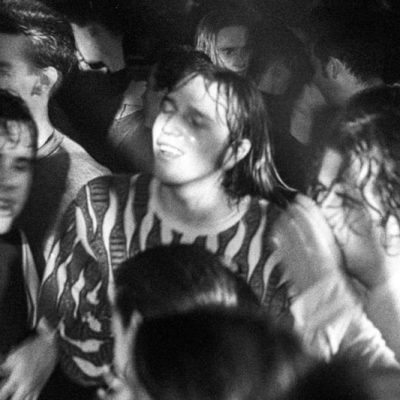
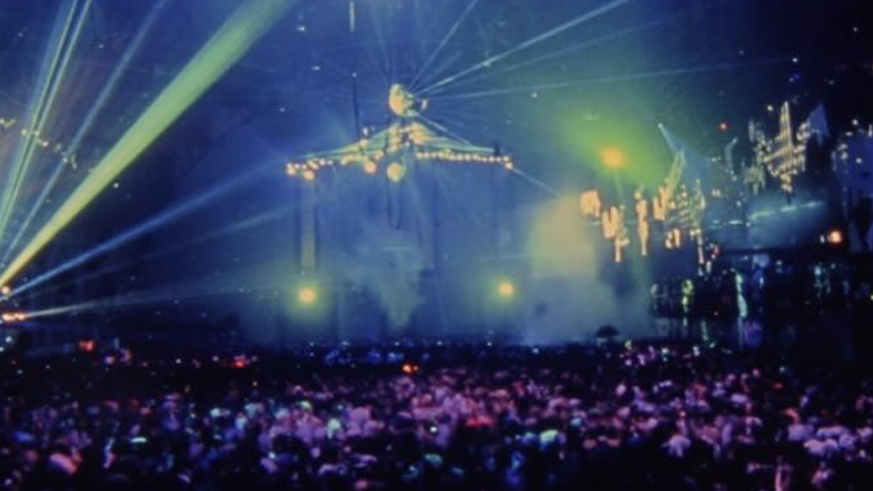
It’s 1988. We’re inside a long neglected industrial space. On any given Sunday at 4am the temperature is soaring. At one end of the cavernous hall, a fearsome stack of speakers pulses with deep bass while a DJ seamlessly stitches together house, dubbed out disco, party friendly hip hop and oddball pop. Over 6,000 revellers, fashion kids, muscle boys, drag queens, celebrities and eccentric European travellers move together in euphoric unison. The dance floor is alive with the latest records from Chicago, New York and London, fuelled by a fresh wave of MDMA that turns the room into a sea of blissful abandon.
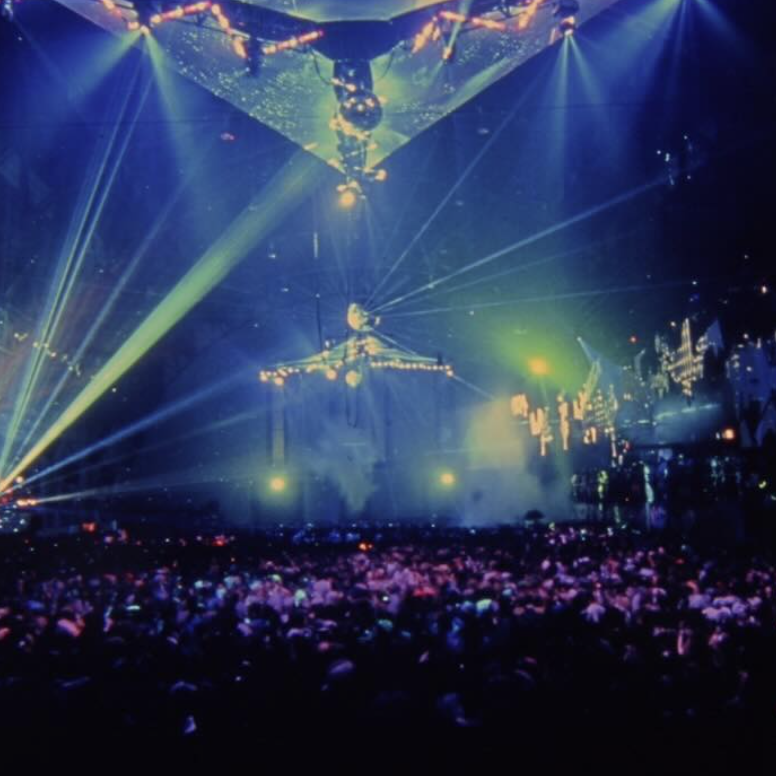
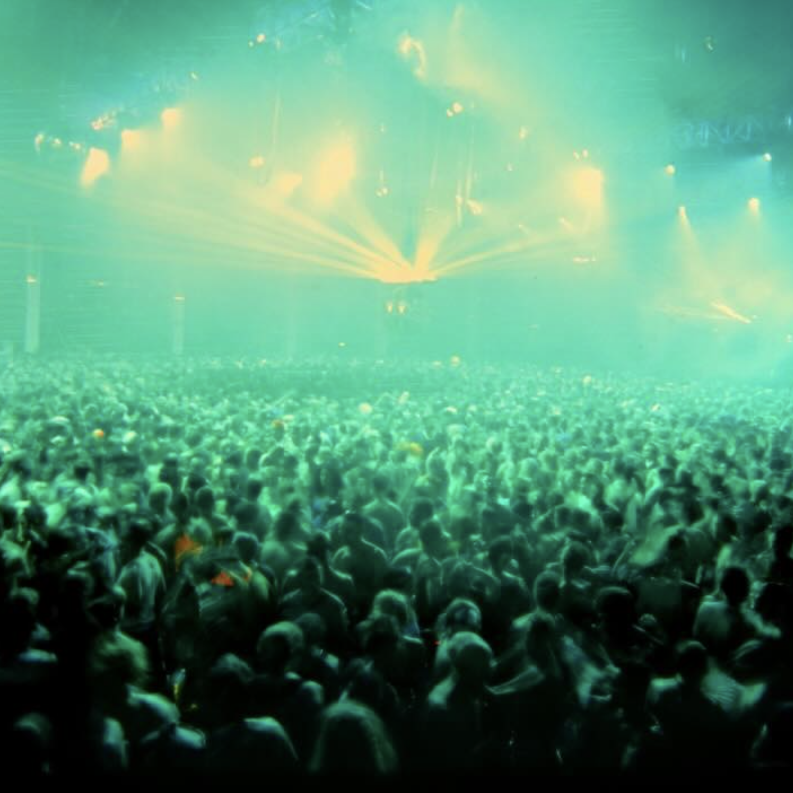
This isn’t London, Manchester or even Ibiza. This is Sydney, a city better known at the time for pub rock, schooners and sunscreen. But something was shifting. Beneath the beer and the beach tans, a nightlife revolution was quietly erupting, driven by queer culture, musical innovation and raw creative defiance. History is written by the victors, and despite gaining international praise in the late ’80s as the globe’s most vibrant scene, this polysexual, fluorescent dance culture was never really allowed to claim its place in the global acid house narrative. Sydney’s contribution has been largely undocumented, overshadowed by scenes with louder mythmaking.
At their peak, Sydney’s Hordern Parties were among the biggest indoor dance events in the world. Grace Jones, Boy George, Graeme Park, Frankie Knuckles all headlined. The crowds were wild, the outfits outrageous, the energy off the charts. London’s i-D magazine declared Sydney the Dance Party Capital of the World. But the pre-internet story of these significant cultural moments has been largely lost or forgotten.
The Hordern Pavilion was a semi-redundant agricultural hall in the middle of Sydney’s affluent eastern suburbs, a neglected and dusty space once home to livestock and floral displays. By the late ’80s it found a second life as a rave cathedral. Extravagant, hedonistic, with roots firmly in an unapologetically queer after-hours underground.
What made Sydney different was a unique collision of several forces. By the late 1980s the city had one of the most visible queer communities in the world thanks to Mardi Gras, as well as a growing international population of travellers and expats, and a thriving nightlife culture – away from Australia’s pub rock tradition – that embraced both.
The gay scene had already built a network of large-scale parties and after-hours spaces that pushed far beyond the size and ambition of most traditional nightlife spaces. When house music, new drugs and global club culture arrived at the end of the decade, Sydney already had the crowd, the infrastructure and the appetite. The Hordern Pavilion was where it all exploded into the open.
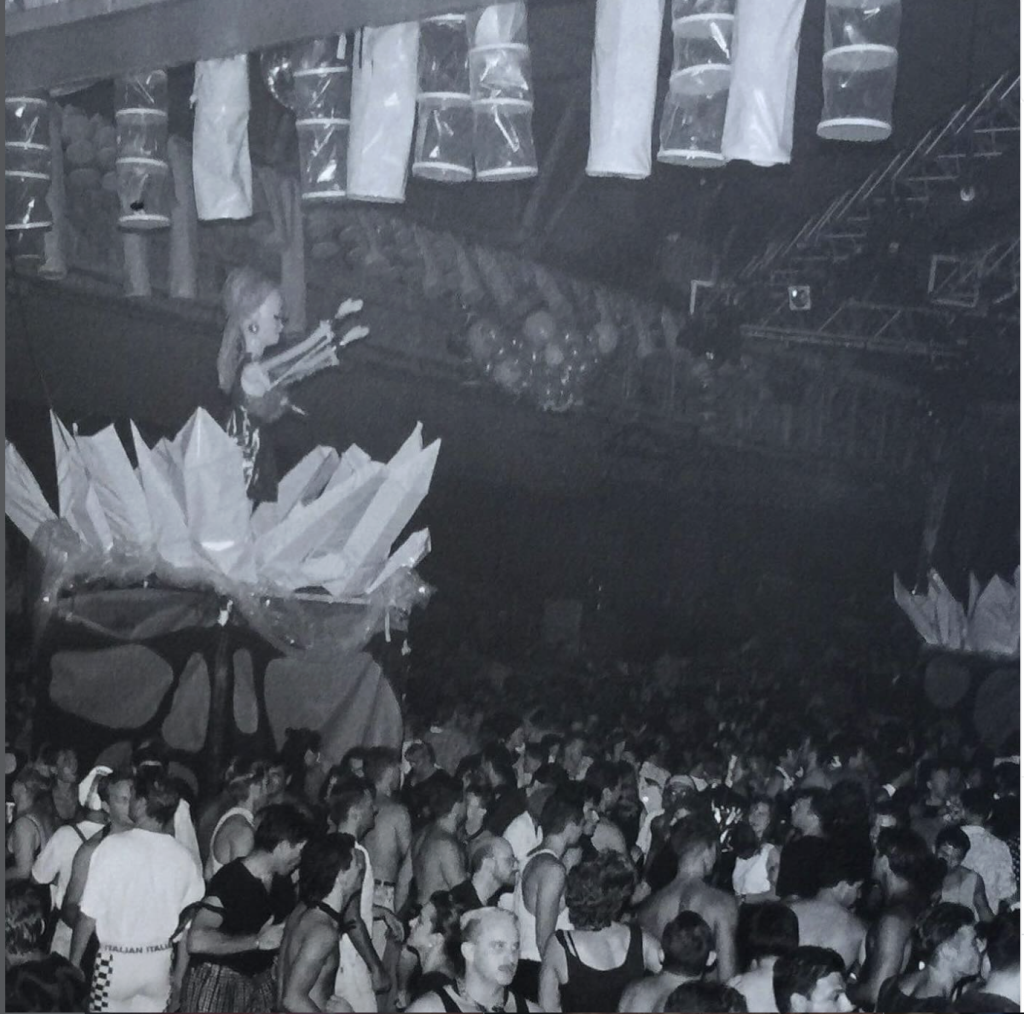
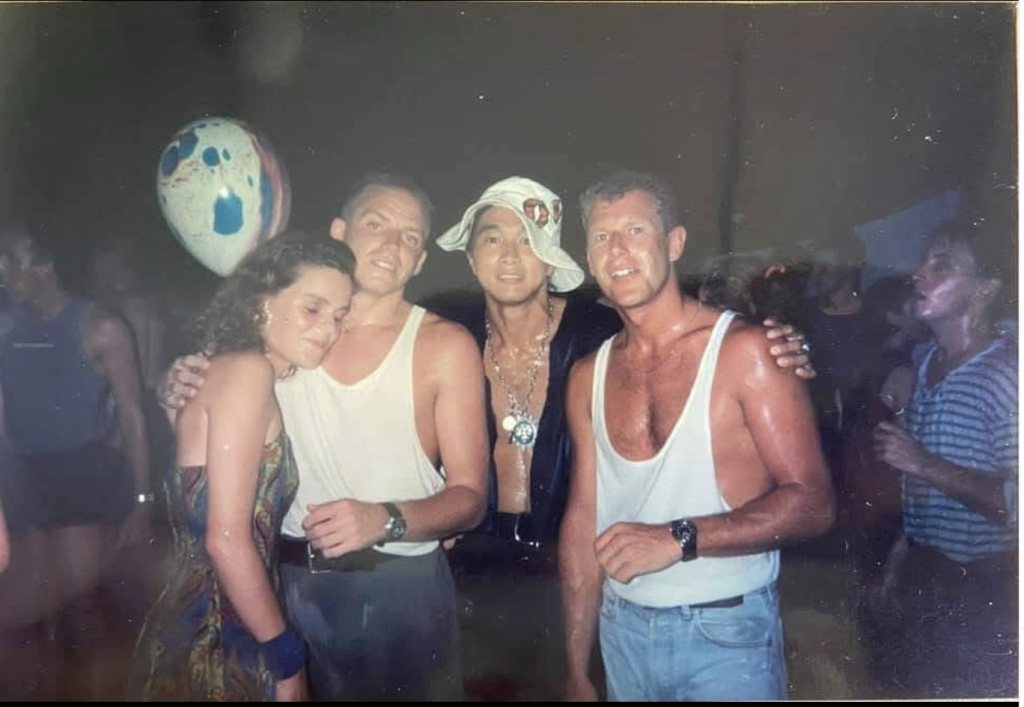
For filmmaker Mark Murphy, these parties changed everything. “I’d just moved back from a working holiday in London to Brisbane, then quickly headed to Sydney like every queer kid did back then. This was the late ’80s and word was spreading about the Hordern Parties. I knew I just had to go. My first was Sweatbox Meltdown, and walking into that space with two cherry pickers in the middle of the dance floor and thousands of people moving to house music, it blew my mind.”
Those memories stayed with him and years later the experience became a mission. “We didn’t realise what we were part of at the time. And now so much of it has gone undocumented. I had to tell the story.” Murphy is now making House of Love, a feature-length documentary currently in development. “We were in the middle of the AIDS crisis. We lost a lot of family. These nights gave people joy, escape and identity. They were never just parties.”
Long before the Hordern became a rave cathedral, the blueprint had been drawn in the queer, debaucherous heart of Sydney nightlife that grew up around the city’s Mardis Gras. “Sydney didn’t need London or New York,” says Stephen Allkins, a Sydney DJ who started going out in 1976 and has been behind the decks for nearly 50 years. “It was so vital. We had eight venues in a three-block stretch where you actually ran to get in. People ran, because every room had a different vibe.”
Sydney Gay and Lesbian Mardi Gras began in 1978 not as a celebration but as a protest. Inspired by the Stonewall movement in New York, several hundred activists marched down Oxford Street demanding an end to discrimination and the criminalisation of homosexuality. The night ended badly with police violence and arrests, but it also marked the beginning of something far larger. In the years that followed, Mardi Gras evolved from a political demonstration into one of the most visible expressions of queer culture anywhere in the world.
Allkins was already out there. He frames what followed as a community claiming its full humanity. “Gay men in the ’70s were literally illegal. You could go to jail for fourteen years just for being gay. But gay men were protesting in the streets in the middle of the day. You have to have a real sense of self to do that. And that reflected in the clubs. The community got the law changed. The politicians didn’t do it for us. We did it.”
By the early ’80s the parade was part of a growing cultural movement. Around it grew a network of clubs, after-hours venues and dance parties that drew thousands of people into Sydney’s nightlife. Oxford Street became the epicentre, a place where queer culture, fashion, music and performance collided in ways that were rare at the time anywhere outside San Francisco or London. Tucked into it were figures whose influence ran deeper than most people now realise.
It is impossible to tell the story of this scene without sitting with what AIDS meant to the people living inside it. Allkins knew many of those who were lost, not as names on a list but as the brilliant, specific individuals who filled those floors and shaped that culture.
“All these strong, independent people came and lived in the [inner-city] Darlinghurst area. And I knew them all because they were smart, sexy, funny, whatever, whatever, whatever. And then AIDS hit, and all these people I knew as just people that were apt to dance into my music. They started organisations like ACON (Aids Counsel of New South Wales). They started all this work and turned into activists overnight.”
And so, as AIDS impacted, something harder and more defiant took hold. “It didn’t change everything because we stayed the way we were. And that was the amazing thing: that vibrancy for life never quit. We didn’t stop dancing. We became stronger because dancing was a ritual.” For Allkins, the grief of the time fed an elevated party sense. “AIDS made us more. It made us more joyous. Because we did all that work to help people, when we danced we danced even more.”
Key figures on the scene included Robert Racic, a three-turntable DJ who went on to produce seminal Australian electronica act Severed Heads, and became one of Sydney’s most forward-thinking musical minds, before his death from AIDS in 1995. DJ Bill Morley was a significant figure in the activist culture of the era, known for his encyclopaedic musical knowledge and inspired DJing soundscapes that took in everything from early techno to kitschy 1950s organ music. And David McDermott, widely regarded as the first openly gay visual artist in Australia, who, as a card-carrying member of New York’s Paradise Garage, provided a connection that brought something rare back to Sydney. “David explained the dance to me,” says Allkins. “That it’s a ritual. Your heart is the bass, your hips are the rhythm. People used to jump up and that’s like touching the sky. Then you’d hit the ground, touching the earth.”
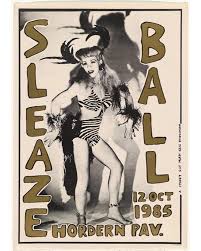
In 1982 the debauched Sleazeball party launched as a fundraiser for Mardi Gras, taking an earthier approach. “One was hands in the air and one was more sleazy and dirty,” recalls Allkins. Sleazeball pulled a respectable 500 people in its first year, but the following year drew 3,000. Something was in the air and the rest of clued-up Sydney wanted in. Allkins, who played both years, shrugs when asked what caused the leap. “Sometimes there’s no rhyme and reason. It’s organic.” The Sleazeball parties were endurance tests as much as club nights. Eight, ten, 12-hour sessions driven by American disco and Hi-NRG, they were sweat-soaked and relentless.
In 1985 Sleazeball showed what those nights could be at their peak. Allkins played solo for ten hours. That week, he’d just taken delivery of Grace Jones’s “Slave to the Rhythm”. “I did a two-copy mix of it as an encore at 7.30 in the morning. I just mixed the fuck out of it for about twelve minutes. By that stage their drugs had kicked in, and they loved that slower stuff. It just happened to come out that week – not everything can be programmed.”
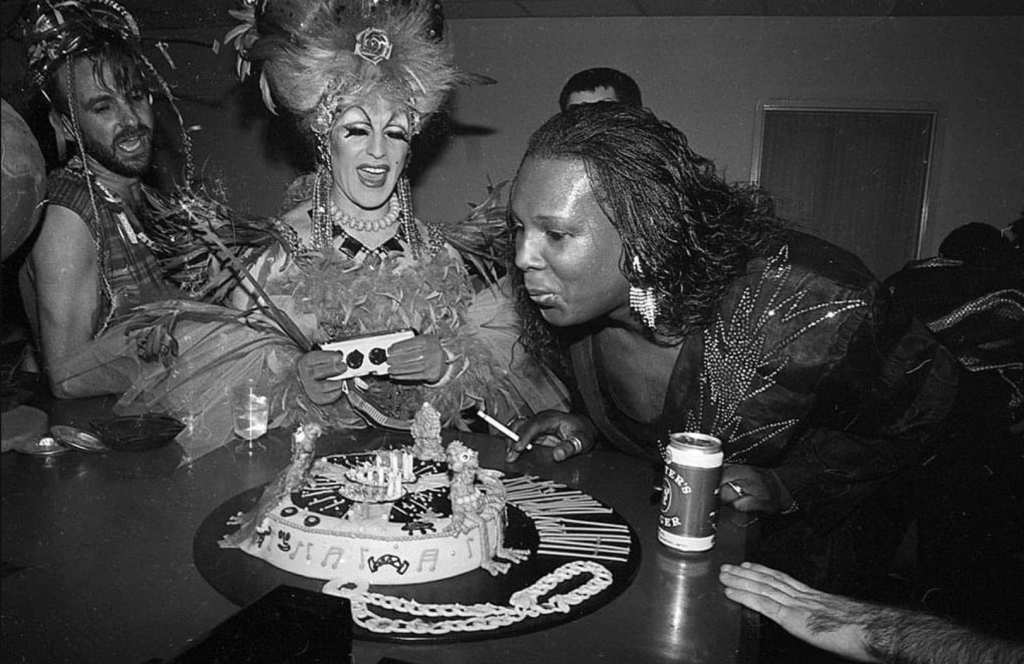
Out of this ecosystem emerged the large-scale dance events that would eventually take over the Hordern Pavilion. Another key locus was the infamous Recreational Arts Team (RAT) parties, most often cited as the direct precursor to the Hordern era. These evolved considerably over time. “The early RAT parties were all about theatre, all about performance – Lindsay Kemp type of thing,” recalls Allkins. “Music didn’t matter, because they were so busy shoving shows on. It was what you’d call a happening, an arts crowd not a dance crowd. I did RAT parties where I only played three songs in a whole night.” By the ’80s, however, everybody was really dancing.
When asked about the soundtrack at the later DJ-led RAT parties, Allkins is resistant to reducing the music to a list: “When you say what was the big track, I think: which party, what time? It wasn’t one track. The whole night made them go off.” He and Razik played only imports and underground records, no top 40. The records he reaches for span the full range of what a Sydney floor was built on: “D-Train’s ‘You’re the One For Me’, Shirley Lites’s ‘Heat You Up (Melt You Down)’, Talking Heads deep cuts ‘iZimbra’ ‘Cross-Eyed and Painless’, ‘Slippery People’. Janet Jackson’s ‘Control’. West End. Afrika Bambaataa. Early Ministry, then an electro act. And there was timing to it,” he adds. “‘Slippery People’ at 5.30 in the morning. ‘Girlfriend is Better’ at one.”
“Straight kids started to come and listen to us in the early ’80s. That’s how the Hordern stuff got bigger, the whole Hard Times look, the Face crowd, the dance fashion. We got all of it.”
British expat DJ Robin Knight, who played at many of the bigger Hordern parties, remembered how fundamental the later RAT parties were. “The RATs had been going since the early ’80s because of Mardi Gras. They were playing upfront American disco, and that’s really what everything came from.” A steady stream of Qantas stewards on the popular Sydney to San Francisco route kept the scene fresh, with the latest Patrick Cowley and Hi NRG twelves adding a new direction to the disco mix.
At a time when Sydney nightlife was still conservative and segmented, the newly energised queer scene moved faster and harder. The RAT parties turned a queer arts crowd into a dance crowd, taught them to trust a DJ, and conditioned them for scale and diversity, and in doing so created the conditions for something nobody had quite seen before. A series of promoters took the RAT template and upped its ambition, outdoing each other to throw wilder, bigger and more decadent parties at the Hordern Pavilion, the venue that would lend its name to an entire era. And then, on New Year’s Eve 1987, RAT itself walked through the door of the Hordern Pavilion for CelebRAT ’88, and nothing was quite the same again.
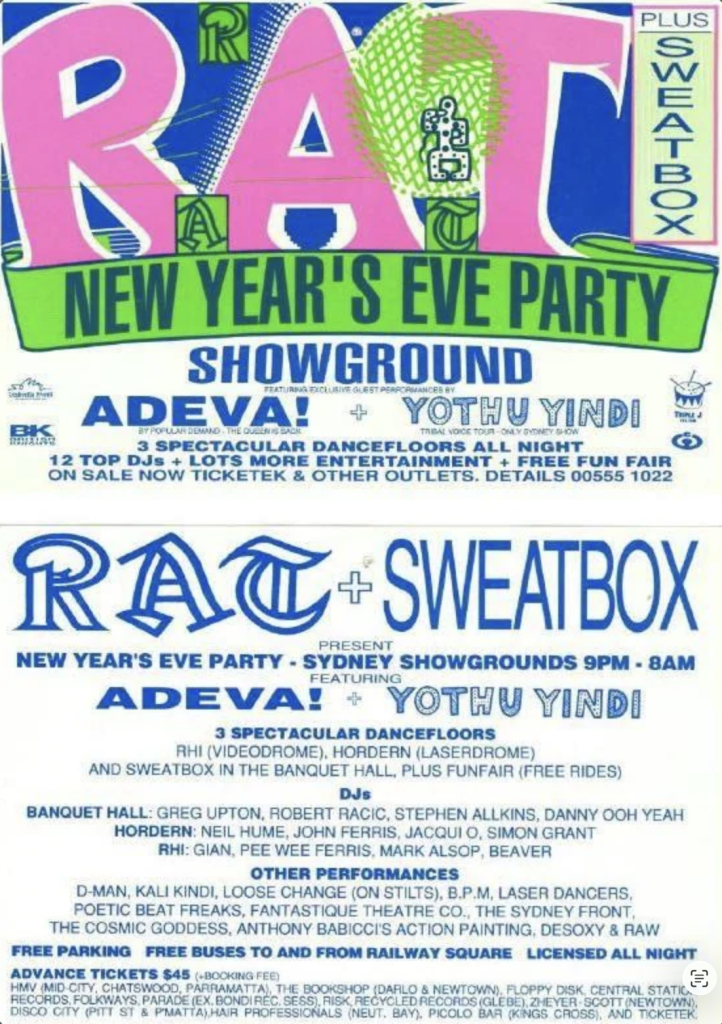
What followed moved fast. Paul Holden’s Bacchanalia team hosted two events within a single month in 1988, and word spread quickly. The crowd that materialised was unlike anything Sydney had seen: fashion kids and straight clubbers mixing with European travellers who had already passed through Amnesia, the Haçienda and Future and arrived in Sydney via Goa carrying the sound, the attitude and the appetite for something bigger.
And the queer energy didn’t disappear; it powered a shift to something new, and the crowd grew from 2,000 to 6,000. Competing promoters piled in behind them. By the end of 1988 there had been ten parties at the Hordern. In 1989 alone there were 28. The scene did not so much find a new home as discover what it had been building toward all along.
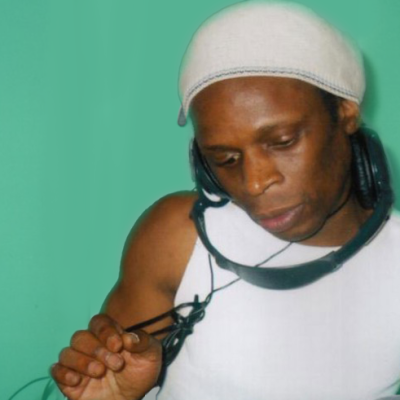
Robin Knight had been a DJ on the soul circuit in England before moving to Sydney in the mid-’80s. His background playing to large crowds and a deep heritage in dance music made him a natural choice for the bigger, more integrated Hordern parties. He recalls briefing Qantas contacts to bring him records. “I’d give them handwritten notes; they’d go shopping in Soho and bring back the latest upfront releases. We were right up there with London in the late ’80s. But it wasn’t a copycat. The mixture of crowds and the distance meant we could mix up and down in a way that was really liberating.”
He cites Mr Fingers’ “Can You Feel It”, Ten City’s “Whatever Makes You Happy”, LNR’s “Work It to the Bone”, Black Riot’s “A Day in the Life, Sterling Void’s “It’s Alright” and “Runaway Girl”, Inner City’s “Big Fun” and “Good Life”. While these were big in London too, the Hordern DJs were able to put their own unique spin on the sound. “Everything was mixed up, it wasn’t about genre, it was about what moved people,” says Knight. It was a real mixture of house, hip hop, bootlegs, edits.” That openness reshaped who felt welcome and what felt possible on the floor. “We could play Chris Rea’s ‘Josephine’ in the main room, the crowd were up for it.” As the nights stretched on, other influences drifted in, unexpected but perfectly timed. Gypsy Kings’ “Bamboléo.” Rob Base’s “Joy and Pain”, Adeva’s “Respect”. Tony Scott’s “That’s How I’m Livin’”. Some records simply cut through everything. There was no fixed template and no hierarchy. DJs built sets the way the nights unfolded, reacting to energy and mood. Bootlegs and edits filled the gaps, not as novelty but as necessity, bending familiar records into something new and functional for Sydney floors. “I was playing house versions of Rapper’s Delight, white label refits of soul records and early Norman Cook productions. Sometimes the samples sounded better than the original mix, anything that bought the energy,” recalls Knight.
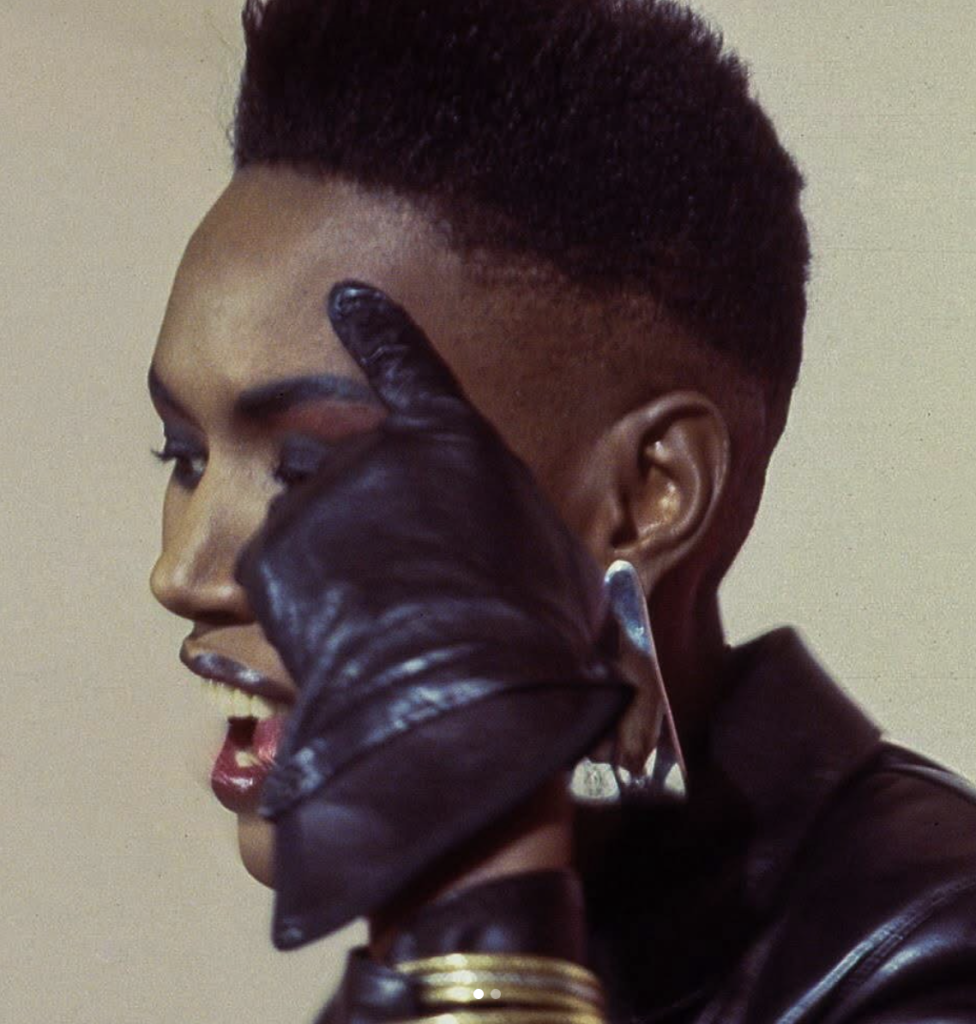
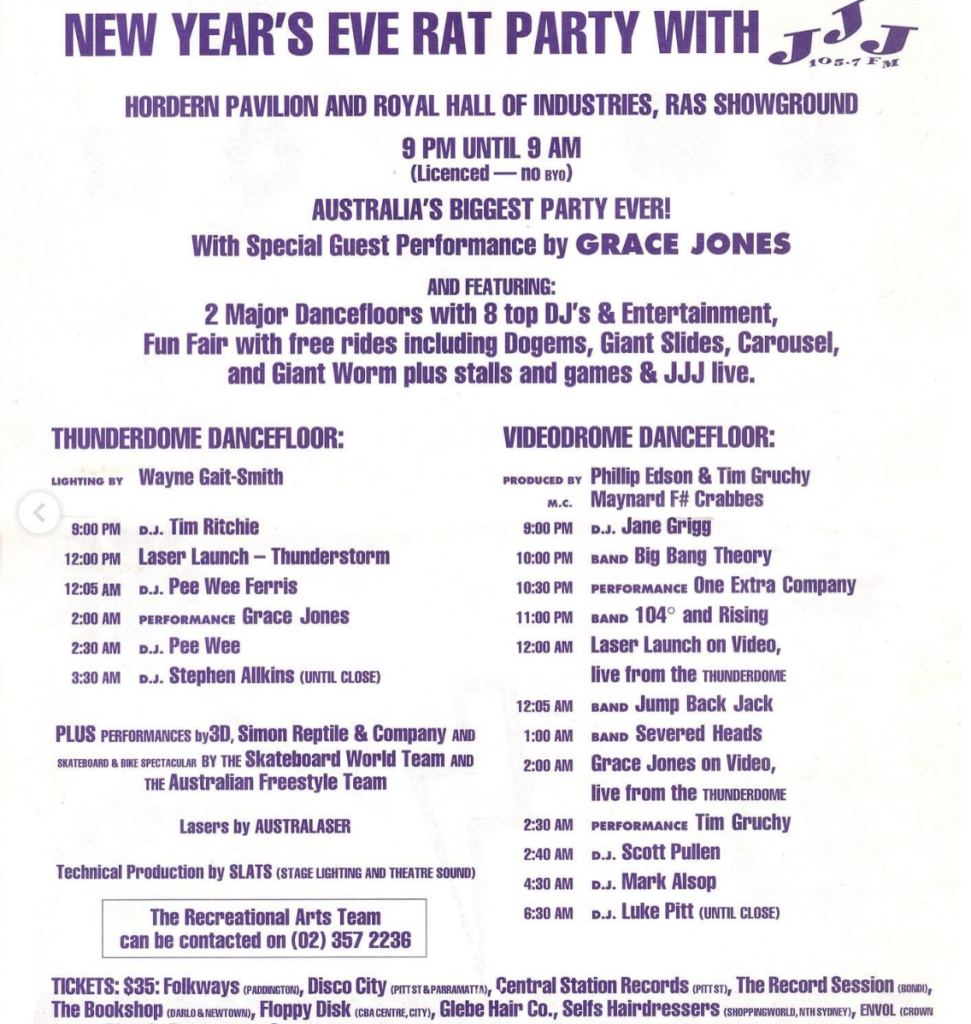
New Year’s Eve 1988 saw Grace Jones, then at the height of her powers, headline in a way that could only be described as peak diva. She arrived fashionably late before bringing proceedings to a complete standstill over a disagreement that the sanitised narrative put down to a missing designer raincoat which had disappeared backstage. Insiders suggest the real story was much more in line with the star’s mythology, with Jones demanding a gram of coke and $10k in cash before she made her entrance. The promoters had little trouble with the first part, but tracking down that kind of cash late at night was another matter. The stalemate was only broken by a call to a shady associate on the other side of town, who arrived with a bag of used bills, no questions asked.
When she finally hit the stage at 4am, the pent-up energy of the thousands who’d been kept waiting exploded into what witnesses still describe as one of the greatest performances she ever gave, a show so fabulous it became the stuff of Sydney nightlife legend. The raincoat, needless to say, was never seen again.
Inevitably MDMA hit the mainstream and accelerated everything. “It was probably late ’88, early ’89 before it really hit and that turned on the whole scene,” says Knight. “We didn’t understand it at first. I’d been back to England and got involved, but we didn’t know this was the same stuff that had been on the gay scene for years. A couple of Mancs turned up with a bag of pills, and it just lit the fire.”
In April 1989, the i-D World Tour landed in Sydney and further lit up the scene. Despite a fiercely loyal local culture already thriving, the international exposure threw a spotlight on the city. UK house pioneer and Haçienda resident Graeme Park headlined alongside future M People star Mike Pickering. “The only time I’d been abroad to DJ was New York,” Park recalled. “Then a few months later, me and Mike flew out here.”
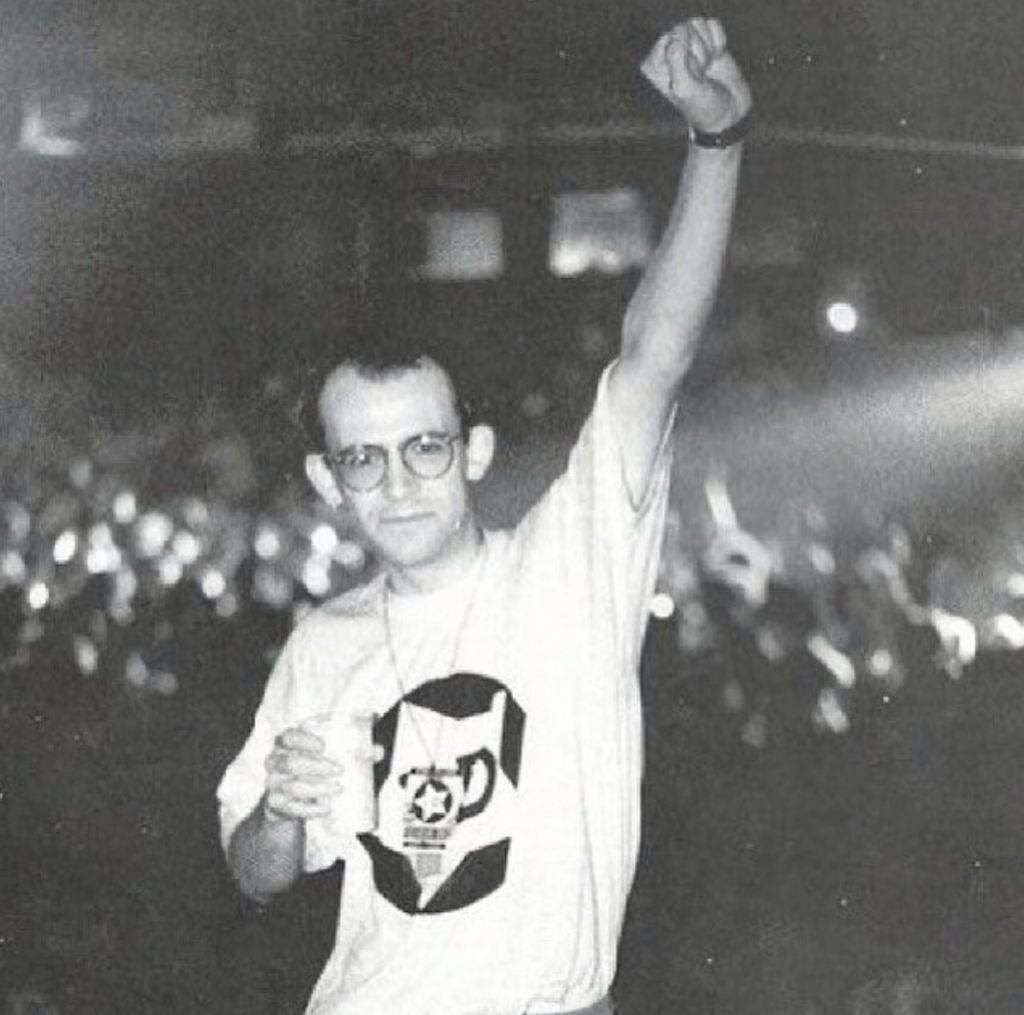
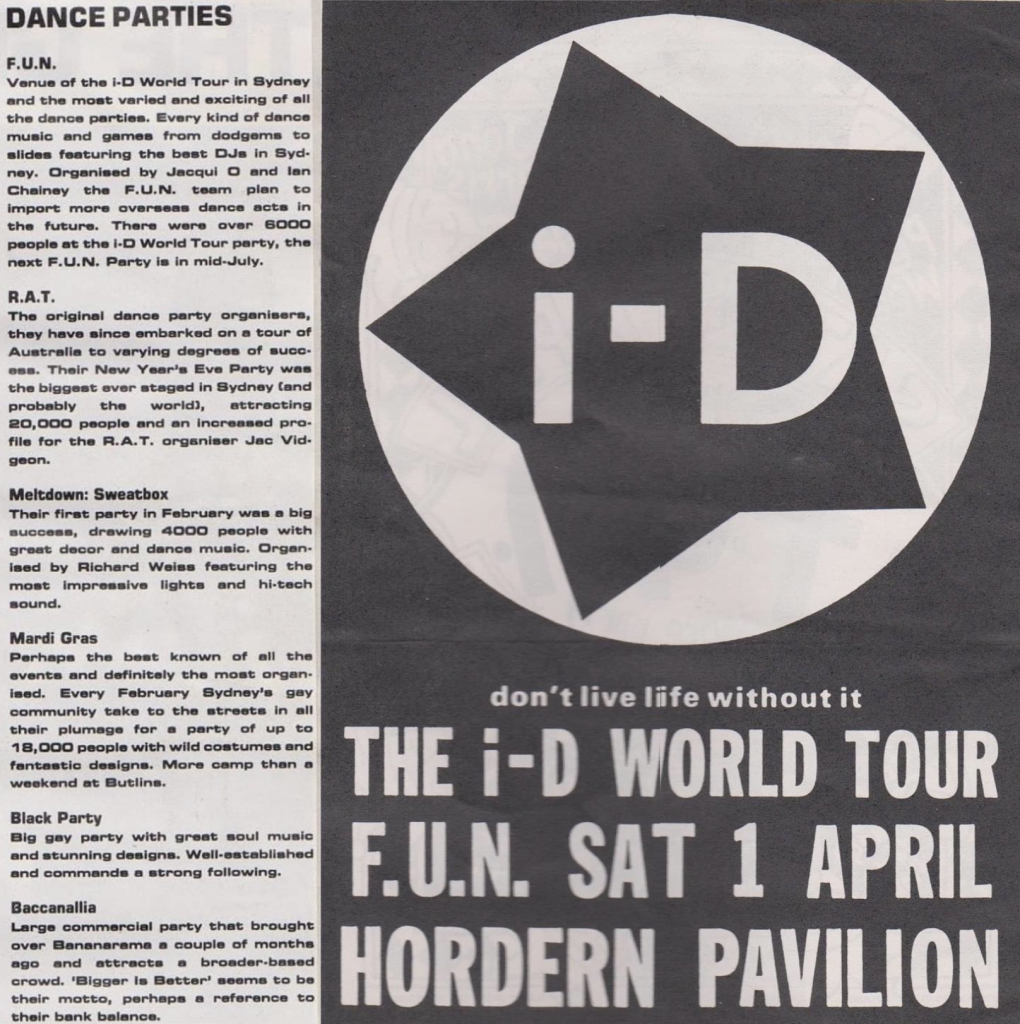
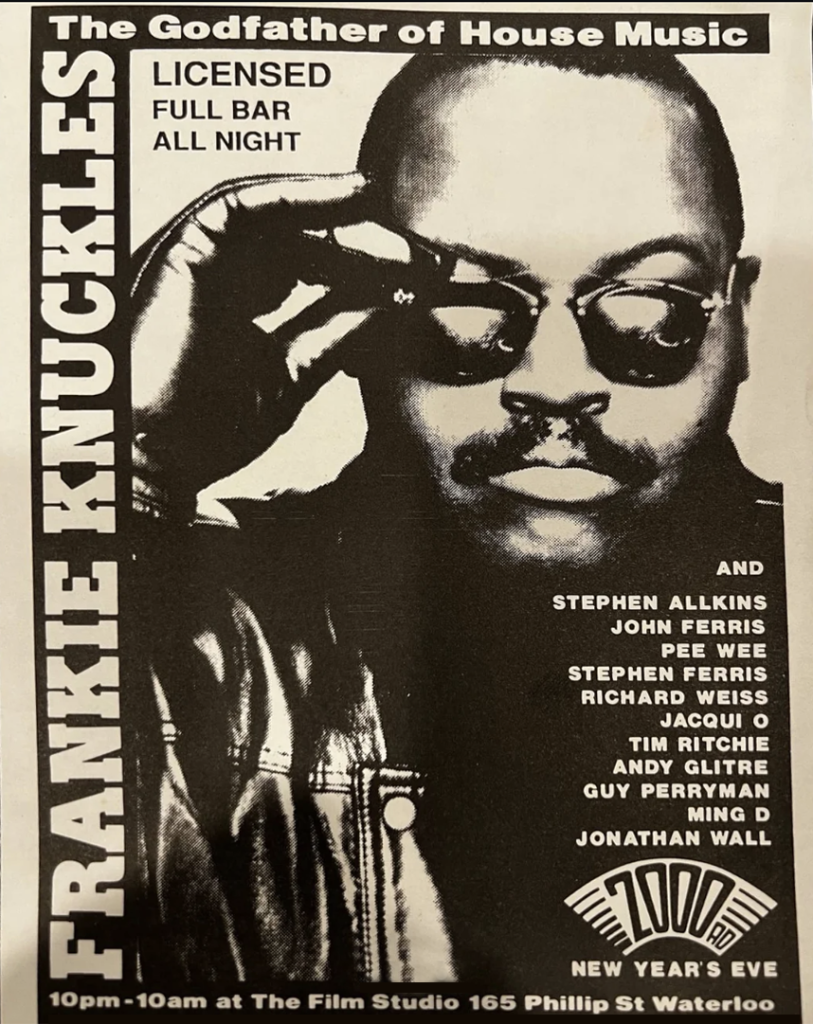
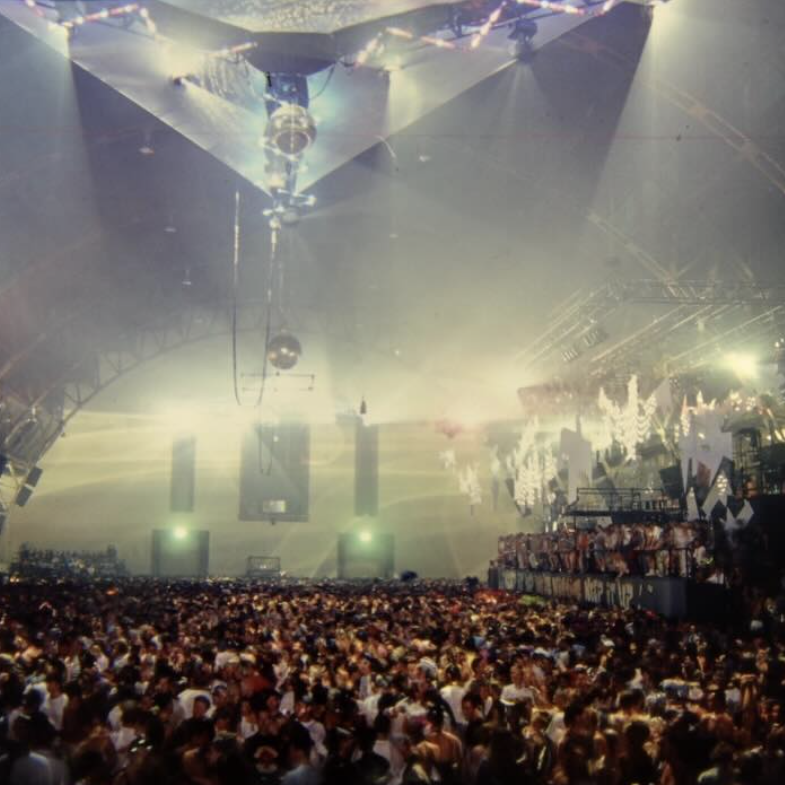
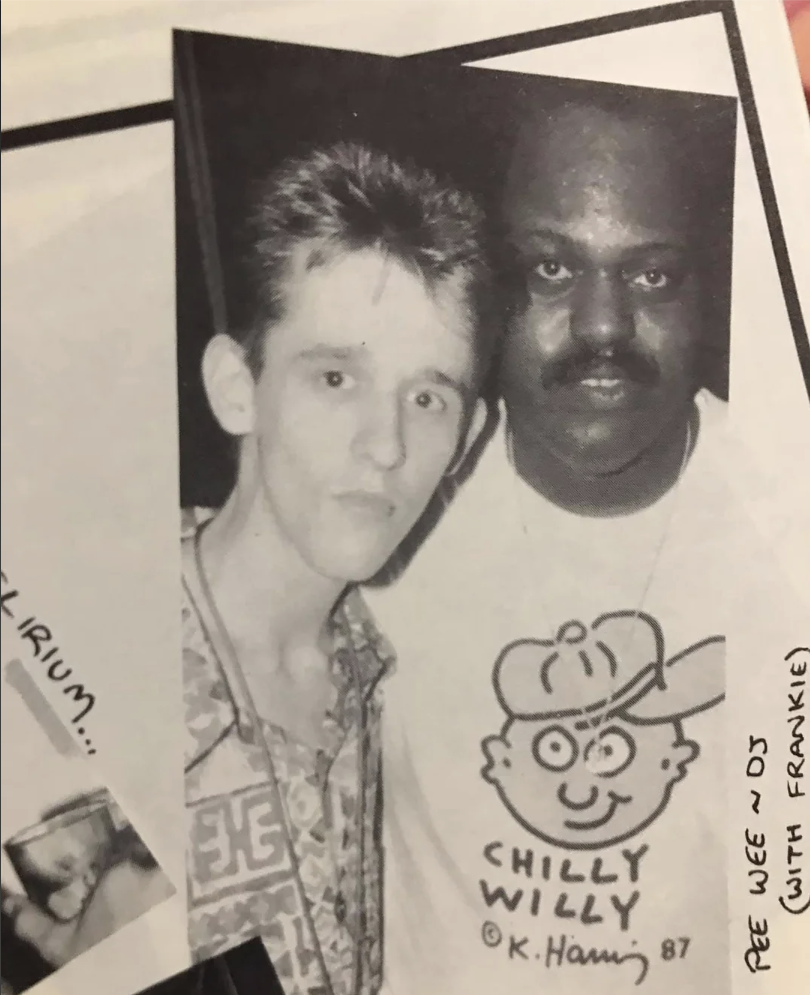
There were some doubts about how house-ready Sydney really was. “We’d met a young DJ called Peewee Ferris, and he was going, ‘Well, good luck. I mean, house isn’t really a thing yet here” recalled Park. The Hordern was about to prove Peewee comprehensively wrong. Seeing the size of the venue stopped Park in his tracks. “It was just massive. Allegedly it had the world’s biggest glitter ball that night. I just could not believe the size of the space. I remember turning around and asking, are you really going to fill this place? And the guys said, ‘Oh yeah, don’t you worry about that.’”
The scale of what greeted them was unlike anything the legal scene in the UK could offer at the time. “In the UK in 1989, the only events that massive would have been the illegal raves like Blackburn,” Park said. “But this, the Hordern Pavilion…” His sentence trails off as he recalls the party.
Their approach was instinctive and carefully judged. “Started off with soul, some hip hop, slowly built it up to Jack Your Body and Love Can’t Turn Around. Then Mike came on and just played acid house.” The crowd, primed by years of the Oxford Street scene, met them every step of the way.
Later parties raised the stakes to a level that had no real parallel anywhere in the world. Fully operational, flood-lit JCB diggers loomed over the crowd like industrial sculpture. Promoters competed to outdo each other, pouring thousands into lighting rigs, theatrical walkways and production values that most venues in London or New York would have struggled to match. In a blissfully pre-Health and Safety era, nobody was asking questions about safety certificates, and nobody wanted them to.
At their peak, these were not merely big parties. They were spectacles of more than 6,000 people inside a single venue, a number that dwarfed the capacity of most celebrated clubs in the world. The crowd was unlike anything else: Oxford Street originals alongside fashion kids, European travellers, curious suburbanites and international scenesters who had been to Ibiza and London and were telling anyone who would listen that Sydney was something else entirely. The Hordern had its own vocabulary of excess, its own mythology of nights that ran until the sun was high and the last bodies were still moving, because stopping felt unthinkable.
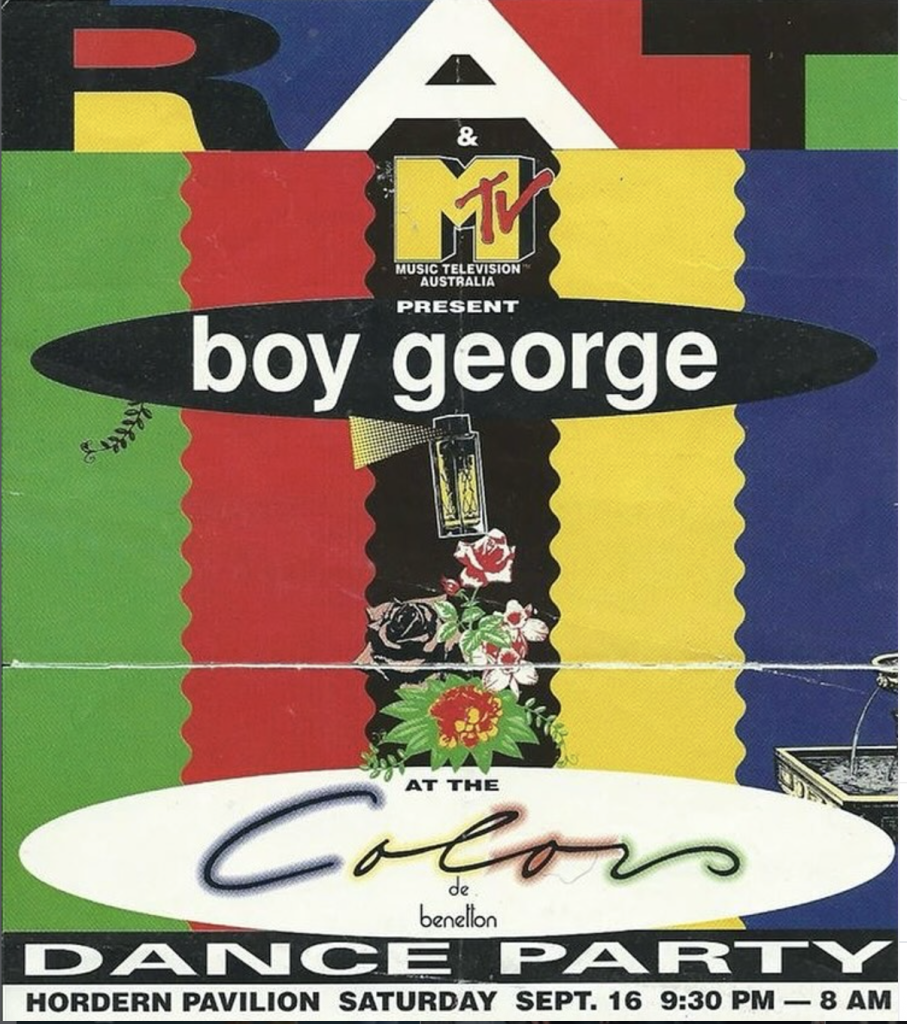
International acts felt it too. The biggest names of the time, including Inner City, Frankie Knuckles, Danny Rampling, Boy George and New York house act Kraze (whose 1988 floor-filler The Party became a Hordern anthem), added Sydney to their itineraries as its reputation spread. These were not favour bookings or promotional detours. Sydney was on the list because the Hordern was genuinely one of the best rooms in the world, and these DJs knew it.
Allkins puts the genuine peak as lasting less than two years. After that, the specialness began to dilute in the way that all extraordinary things eventually do. “Your birthday shouldn’t be every week,” he says. “People stopped caring about the actual party. Sometimes the gates were locked and they wouldn’t even know what was going on or not, they just knew they went to the Hordern on a Saturday.” Unfortunately, success had become its own quiet undoing.
When external pressure mounted, the Hordern slowed. The alleged catalyst was a refreshed partygoer peeing in the driveway of a well-to-do local who just happened to be a High Court judge, which is, in its own way, a perfectly Sydney ending to the story. The truth was the scene had simply run its natural course and grown beyond what any single venue or moment could contain.
As the Hordern era faded, the culture splintered. Its queer core endured and, in one sense, triumphed: Mardi Gras grew from an act of resistance into a genuine national institution, drawing well over a million people to Sydney each year and sitting comfortably in the cultural mainstream alongside any event Australia produces. Oxford Street held its ground too, battered but unbroken across decades of developer pressure and political indifference.
But the broader inheritance was squandered. The radical integration that had defined the Hordern years did not survive the transition. Mainstream Sydney clubbing retreated to a predominantly straight, white core, and without the cross-pollination that diversity produces, the scene never developed a sound or identity of its own. Progressive house, trance, and eventually EDM became the defining sounds, each one a borrowed template, defaulting to whatever the safest currents of global club culture were serving up at any given moment.
In the end what was lost was not momentum, but memory. The truth of where the city’s dance culture had come from: its multicultural roots, sexual adventurousness, its willingness to mix bodies, sounds and identities. This deeper story survived quietly, held by the cognoscenti rather than celebrated publicly, passed hand to hand, night to night, story to story.
That Sydney never made the hallowed list of the cities that defined dance culture is partly the tyranny of distance. A city a world away from the media tastemakers was always going to struggle to claim its place in the narrative. But it’s also a failure of Australian media. When i-D magazine declared Sydney the dance party capital of the planet, there was no local machine capable of amplifying that verdict or making it stick. The internet was still years away, the music press was concentrated in London, and so Sydney, for all its energy and ambition, was not in the business of telling its own story. That the parties happened at all, given the distance, the era and the cultural odds, makes the whole thing more extraordinary, not less.
Mark Murphy has spent years putting together a feature documentary, House of Love, to ensure none of this wild story is forgotten. Working with cinematographer Luke Rodely, he’s been shooting interviews with a sense of urgency. “A couple of the key figures had already passed away, we knew we had to move fast.” With producer Michaela Perske on board, the team has built up an incredible collection of rare photos and long-forgotten footage, including a crate of never-seen VHS tapes from the parties. When Murphy shared clips and stills through the project’s Instagram, the response was overwhelming. “It surprised me how much these parties meant to people.” He’s now close to having a cut for film festivals. “It deserves to be seen. This was a moment in time. The biggest dance parties under one roof in the world. And most people have no idea they ever happened.” You can help finish this unique record of Sydney’s unique place in dance culture by donating at Documentary Australia. Follow the project at @thehouseoflove_film

© Toby Hemming